France does not need to be sold. It sells itself, in the quality of its morning light, the weight of its legal institutions, the quiet permanence of its stone architecture. What it does need is to be explained.
Because for an international buyer, the French market is simultaneously seductive and opaque: magnificent properties, a rigorous acquisition process, and a fiscal environment that rewards those who understand it, and punishes those who don't.
This guide exists because most of what's published on this topic is either too shallow to be useful or written from the perspective of someone who wants to close a deal, not protect a buyer. We sit exclusively on your side of the table. What follows is what we tell our own clients.
Why France Remains the World's Most Coveted Luxury Property Market
Stability, Legacy & the Economics of Scarcity
France attracts international wealth for reasons that go well beyond lifestyle. Yes, the food, climate, and culture are exceptional. But what truly underlies the country's appeal to serious buyers is structural: France is a politically stable, legally robust, euro-denominated market with a chronic undersupply of prestigious property.
Châteaux do not get built anymore. Hôtels particuliers in Paris's golden arrondissements are not subdivided, they are preserved. Provençal mas with centuries of history are not replicated. Scarcity of this kind is the most durable foundation for long-term value.
According to the Henley Private Wealth Migration Report, France regularly registers net inflows of high-net-worth individuals despite, and in some cases because of, its fiscal environment. The country's legal system, based on the Napoleonic Code, provides a level of transactional clarity and buyer protection that many international markets lack entirely.
The Post-Pandemic Reset: A Buyer's Market at the Top End?
The 2022–2024 correction, driven by rising interest rates, created price adjustments in the €500K–€2M segment. The ultra-luxury tier (€3M+) proved largely immune, as it always does, these transactions are typically cash-driven and not rate-sensitive. What the correction did produce, in some markets, was a more rational negotiation environment. Sellers who had priced aggressively in 2021 adjusted their expectations. For well-advised buyers, 2025 represents a window that may not remain open.
One Critical Point Upfront: France Has No Golden Visa
France does not offer a golden visa or any residency program tied to real estate investment. Purchasing a property, regardless of its value, does not grant you the right to live in France. Residency and property ownership are entirely separate legal questions. We cover visa pathways later in this guide, but this distinction matters from the first moment of your project.
The Top Luxury Property Markets in France: A Region-by-Region Analysis
Every region has a distinct character, a distinct buyer profile, and distinct price dynamics. Understanding these differences is not a detail, it is the starting point of every serious acquisition.
Paris
€15K–€35K/m²
Riviera
€10K–€45K/m²
Provence
€1.5M–€15M
Loire Valley
Châteaux
French Alps
4–6% yield
Bordeaux
Wine estates
Paris: Density, History & Enduring Prestige
Paris is the most liquid luxury market in France. It is also the most complex. The city's 20 arrondissements are not equal, and within each arrondissement, the difference between one street and the next can represent a 20–30% price variation.
Prime Arrondissements for International Buyers
The prime arrondissements for international buyers are the 6th (Saint-Germain-des-Prés), 7th (diplomatic quarter, Musée d'Orsay), 8th (Champs-Élysées, Faubourg Saint-Honoré), and 16th (residential, bourgeois, family-oriented). The 4th (Marais) and the emerging 10th and 11th attract a younger, design-oriented international profile.
Price Benchmarks & Market Data (March 2026)
| Segment | Price Range |
|---|---|
| Paris city-wide average | 9,739€/m² (+1.9% sur 12 mois) |
| Prime arrondissements (6th, 7th, 8th) | 15,000€ – 30,000€/m² |
| Hôtel particulier | 20,000€ – 35,000€/m², souvent plus |
| Top-floor with terrace | 30–50% premium above floor rate |
| Transaction volume (Île-de-France 2025) | 125,000 sales, +13% vs. 2024 |
Apartments vs. Hôtels Particuliers
What buyers rarely anticipate: In Paris, the copropriété (co-ownership structure) of an apartment building governs what you can and cannot do. Renovation, external modifications, and even subletting can be subject to co-owner votes. This is not a problem, it is a framework you must understand before buying.
The French Riviera (Côte d'Azur): Glamour, Season & Yield
The Riviera remains the single most internationally recognized luxury market in France. Nice, Cannes, Antibes, Villefranche-sur-Mer, Cap Ferrat, Èze, and Saint-Tropez each attract a distinct buyer profile and price range.
Nice, Cannes, Antibes, Cap Ferrat, Saint-Tropez: Choosing Your Market
Cap Ferrat is in a category of its own, a peninsula of extraordinary villas with very few transactions per year. When something comes to market here, it does not last. Saint-Tropez operates on a seasonal logic: it is spectacular in summer, extremely quiet in winter, and the rental market can be highly lucrative if managed professionally. Cannes offers year-round appeal with the international credibility of the Film Festival and a well-developed primary residence market.
Price Benchmarks 2026 & the Seasonality Factor
| Location | Price Range |
|---|---|
| Cannes / Nice prime | 10,000€ – 22,000€/m² |
| Cap Ferrat | Trophy assets exceed €45,000/m² |
| Saint-Tropez peninsula | 15M–30M for prime villas |
| Top 1% entry (Alpes-Maritimes) | €7.45M (notary data 2025) |
A note on seasonality: Many international buyers purchase on the Riviera after a summer visit. We consistently recommend experiencing the property across at least two seasons before committing. The microclimate, neighbor dynamics, and practical usability of a property change significantly between July and February.
Provence: Understated Luxury, Permanence & the Provençal Mas
Luberon, Alpilles, Aix-en-Provence: The Quiet Luxury Corridor
Provence is where buyers come when they no longer need to impress anyone. The Luberon, the Alpilles, and the countryside around Aix-en-Provence attract a sophisticated international clientele seeking authenticity, space, and a profound connection to the French countryside.
The iconic property typologies here, the mas (Provençal farmhouse), the bastide (country manor), and the domaine (estate with land, often including vineyards or olive groves), offer something Paris and the Riviera cannot: genuine solitude. Gordes, Bonnieux, Ménerbes, and Les Baux-de-Provence consistently appear in the searches of the most discerning buyers.
Price Benchmarks: Mas, Bastide & Domaine
- Luberon mas with pool: €1.5M–€6M depending on condition and land
- Bastide with estate: €3M–€15M
- Renovation properties: significantly lower entry, but due diligence on condition is non-negotiable
The Loire Valley: Châteaux & the Weight of History
Monument Historique Classification: Advantages & Obligations
Buying a château in the Loire Valley is one of the most consequential real estate decisions a person can make, financially, legally, and emotionally. The Loire concentrates the highest density of listed historic monuments in France, which means extraordinary beauty and, in many cases, specific renovation obligations and tax frameworks.
A classified Monument Historique comes with significant advantages: substantial tax deductions on renovation costs, eligibility for state restoration grants, and exemption from certain inheritance calculations. It also comes with obligations: work must be conducted by approved craftsmen, modifications require authorization, and the property cannot be transformed without consent from the Direction Régionale des Affaires Culturelles (DRAC).
Is a Château the Right Asset for You?
Our position: Châteaux are exceptional assets for the right buyer, someone with a long horizon, appreciation for history, and the resources to maintain properly. They are not suitable for buyers seeking low-maintenance or short-term yield. We say this not to discourage, but because a château acquired without this understanding becomes a burden, not a legacy.
The French Alps: Megève, Courchevel & Chamonix
Ski-In/Ski-Out Economics & Year-Round Appeal
Alpine luxury real estate operates on different economics. The scarcity of ski-in/ski-out positions, the primacy of altitude and orientation, and the year-round appeal of mountain lifestyle (increasingly, summer in the Alps is as sought-after as winter) drive a specific valuation model.
Courchevel 1850 is the apex of French ski real estate, arguably of European ski real estate. Megève attracts a more discreet, Parisian clientele with a preference for village character over resort scale. Chamonix is an international year-round destination with a raw, adventurous character distinct from the polished resort towns.
Rental Yields in Prime Alpine Resorts
Rental yields in well-managed Alpine chalets can reach 4–6% gross in prime locations, making these properties genuinely dual-purpose assets: lifestyle and income.
Bordeaux & the Atlantic Southwest: Wine, Surf & Emerging Value
Domaines Viticoles: Acquiring a Working Wine Estate
Bordeaux and its surroundings are often underestimated by international buyers focused on Paris or the Riviera, a perception that experienced acquirers have quietly exploited. The city of Bordeaux itself (18th-century UNESCO-listed center) has one of the finest architectural stocks in France. The wine country of the Médoc and Saint-Émilion offers something unique: the possibility of acquiring a domaine viticole, a working wine estate with châteaux, cellars, and vineyards.
Biarritz & the Basque Coast: The New International Hotspot
Biarritz and the Basque coast represent a separate, increasingly global market: surf culture, Basque gastronomy, proximity to Spain, and a local real estate market that has attracted significant international attention since 2020.
French Property Types: A Buyer's Vocabulary
Before engaging the market seriously, international buyers need to understand what French real estate terminology actually means. These are not interchangeable marketing terms, they describe legally and architecturally distinct property categories.
Château & Manoir
A manor house or castle with historic significance, typically set in extensive grounds. Can be classified or unclassified. Classification profoundly affects what you can do with it.
Hôtel Particulier
A private urban mansion, typically in Paris. Distinct from an apartment, it occupies an entire building with private courtyard. Extremely rare, extremely prestigious.
Mas, Bastide & Domaine
Mas: traditional Provençal stone farmhouse. Bastide: more formal country house. Domaine: an estate with significant land, typically implying agricultural or viticultural activity.
Villa & Propriété
A secondary urban apartment (pied-à-terre) or a standalone luxury property, most commonly on the Riviera or in residential areas.
Chalet
In the Alpine context, a timber-framed mountain residence. In the luxury segment, from beautifully restored 19th-century chalets to architecturally significant contemporary builds.
Pied-à-Terre
A secondary urban apartment, most commonly in Paris. The term carries a specific legal and tax implication for non-residents.

"The best properties hold their value through every cycle."
The French Property Acquisition Process: Step by Step
France's acquisition process is rigorous, linear, and legally protective of both parties. Understanding each stage eliminates anxiety and prevents costly mistakes.
Property Search & the Off-Market Reality
The French market does not operate like the US or UK. A significant portion of prime transactions, particularly above €3M, occur off-market, through trusted networks of advisors, notaires, and family offices. Limiting your search to portal listings means seeing only what sellers are comfortable making public.
Once a property is identified and a price agreed verbally, the buyer typically submits a written offre d'achat (letter of intent). This is not legally binding in most cases but signals seriousness and opens the formal process.
The Compromis de Vente & the 10-Day Cooling-Off Period
The compromis de vente is the preliminary sales agreement, the first binding document. It fixes the price, the property description, the conditions precedent (financing, planning, etc.), and the timeline to final signature.
Upon signing, the buyer pays a séquestre (deposit) of typically 5–10% of the purchase price, held by the notaire. The buyer then benefits from a 10-day statutory cooling-off period during which they may withdraw without penalty. After this period, the deposit is forfeit in case of buyer withdrawal (unless a condition precedent has not been met).
A critical detail: Unlike some markets, the compromis de vente in France is prepared and supervised by the notaire, not a solicitor, not an agent. The notaire is a public officer of the state. Their role is to ensure the legality of the transaction, not to advocate for either party.
Due Diligence & Mandatory Technical Diagnostics
The Acte Authentique de Vente
The final deed of sale is signed before the notaire, typically 2–3 months after the compromis. Both buyer and seller must be present, or represented by power of attorney. The buyer pays the full purchase price plus all acquisition costs. Ownership transfers immediately upon signature.
Registration, Title & What Happens After Signature
The notaire registers the title with the French land registry (Service de Publicité Foncière). The buyer receives the title deed typically within 3–6 months of signing, once all administrative registrations are complete.
Before final signature, the seller must provide a complete dossier de diagnostics techniques, a package of mandatory technical surveys covering:
- DPE (energy performance diagnosis)
- Asbestos and lead surveys (for properties built before 1997 and 1949 respectively)
- Termite inspection (in affected zones)
- Natural and technological risk exposure
- Electrical and gas installation condition
- Surface measurement (Carrez law for apartments)
These diagnostics are the seller's legal obligation. What they do not cover is everything. An independent structural survey, a review of the copropriété minutes (for apartments), and a detailed assessment of hidden costs are the buyer's responsibility, and in our experience, the most consequential due diligence elements.
Buying Without Being Present: How Power of Attorney Works
For international buyers who cannot attend in person: A notarized power of attorney, apostilled in the buyer's country of residence, allows a designated representative to sign on their behalf. This is common and fully legally valid. We coordinate this routinely for clients in New York, Dubai, or London.
The True Cost of Buying Luxury Property in France
The purchase price is not your total cost. French acquisition costs are substantial, and underestimating them is one of the most common errors we see in first-time French buyers.
Notaire Fees (Frais de Notaire): What They Actually Cover
The term "frais de notaire" is slightly misleading, the majority of what's included are not the notaire's remuneration but state taxes and registration fees that the notaire collects on behalf of the French government.
For existing properties (ancien), total frais de notaire represent approximately 7–8% of the purchase price. For new-build properties (neuf), this falls to approximately 2–3% because transfer taxes do not apply.
On a €3M villa, this means an additional €210,000–€240,000 in acquisition costs that must be budgeted from the outset.
The 2025 Stamp Duty Increase: What Changed and Where
As of April 1, 2025, French departments gained the authority to increase transfer taxes by up to 0.5 percentage points, raising the applicable rate from 4.5% to 5.0%. The majority of major regions, including Paris (Île-de-France), Rhône, and Gironde, have already adopted this higher rate. If you are buying in these regions, factor the updated rate into your calculations.
Agency Fees: Who Pays What
In France, agency commissions are typically 3–8% of the purchase price, and by law they must be disclosed in the listing. The critical distinction: fees are most commonly charged to the seller, which means the listed price is "FAI" (frais d'agence inclus). However, some mandates charge buyer-side fees. Always clarify before proceeding.
Full Budget Simulation: A €2M Paris Apartment
| Item | Amount |
|---|---|
| Purchase price | 2,000,000€ |
| Notaire fees (~7.5%) | 150,000€ |
| Agency fees (if buyer-side, ~4%) | 80,000€ |
| Independent survey / legal review | 5,000€ – 10,000€ |
| Total estimated acquisition cost | ~2,235,000€ – 2,240,000€ |
Budget for 10–12% above the listed price as a conservative rule of thumb for existing properties in prime locations.
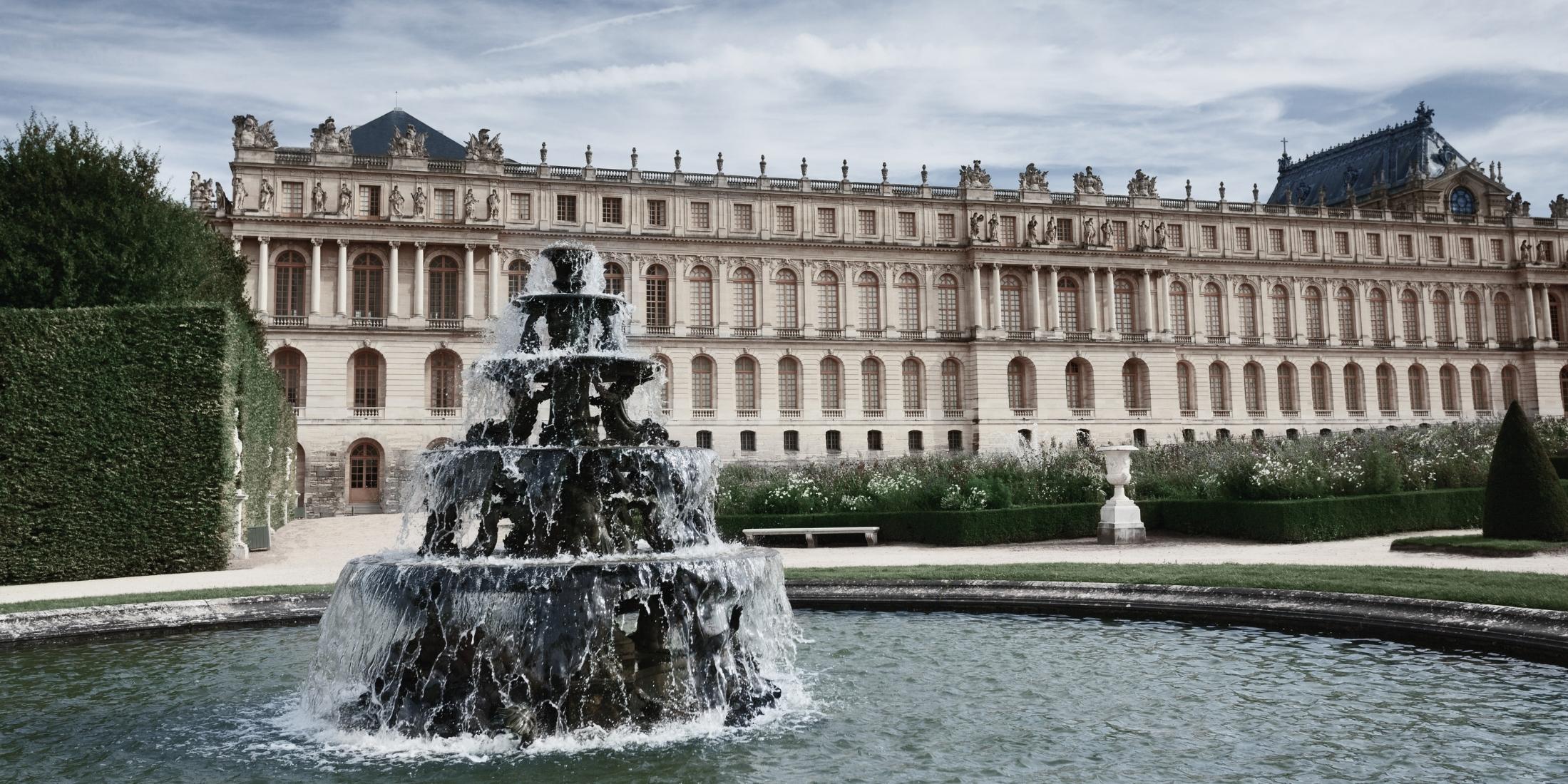
The French luxury property market rewards patience, preparation, and the right relationships
We advise international buyers on every dimension of their acquisition, from search to signature.
Begin a conversationFinancing Your Purchase: Mortgages for Non-Resident Buyers
50–70%
LTV non-EU
3.2–4%
Fixed rate range
35%
Max debt-service
15–25a
Typical loan term
Can Foreign Buyers Get a French Mortgage? LTV, Rates & Conditions (2026)
Yes, but with conditions. French banks typically cap lending to non-EU/non-EEA resident buyers at 50–70% loan-to-value, meaning a minimum 30–50% down payment is expected. EU and EEA residents generally access up to 80–85% LTV. Some private banks and international institutions will exceed these thresholds for exceptional profiles with strong global assets. The legal debt-service ratio constraint remains firm regardless of profile: total monthly liabilities cannot exceed 35% of gross monthly household income.
French mortgages are predominantly fixed-rate, fixed for the full loan term (typically 15–25 years), a structural advantage that does not exist in most other markets. As of early 2026, prime fixed-rate mortgages for strong resident profiles are approaching 2.99%–3.50% for 15–20 year terms. Non-residents typically pay a premium of 0.20%–0.50% above resident rates, bringing the realistic range for international buyers to approximately 3.20%–4.00% depending on profile, institution, and loan term.
French Retail Banks vs. International Private Banking: Which Is Right for You?
For HNW buyers, French retail banks are rarely the optimal solution. International private banks, BNP Paribas Wealth Management, Société Générale Private Banking, Lombard Odier, Pictet, understand cross-border wealth structures, accept a wider range of asset classes as collateral, and can structure loans against an investment portfolio rather than purely the property itself. This matters when a buyer wishes to preserve liquidity rather than commit capital.
Using a Mortgage Strategically to Reduce IFI Exposure
Mortgage debt used to finance the property can be deducted from the taxable base. Many HNW buyers who do not strictly need a mortgage choose to take one anyway precisely to keep net IFI exposure below thresholds, freeing capital deployed elsewhere from the wealth tax calculation.
The FATCA Problem for American Buyers
American buyers face a specific friction: many French retail banks are reluctant to open accounts for US persons due to FATCA reporting obligations imposed by the IRS. This is not an insurmountable obstacle, but it requires working with institutions that have dedicated US person compliance infrastructure. Several private banks in France maintain this capability. We identify the right partner for each client's profile.
Currency Risk & Forward Contract Strategy
For buyers whose wealth is denominated in dollars, pounds, or dirhams, a fluctuating EUR exchange rate can materially affect the effective cost of a purchase. A 5% movement in EUR/USD over a 3-month transaction period represents €100,000 on a €2M purchase. Forward contracts with currency specialists can lock in rates at compromis stage. This is basic risk management that is too often ignored.
Taxes on French Real Estate: A Complete Guide for Foreign Owners
France's tax environment is the element that most intimidates international buyers, and the one that most rewards those who plan properly. We present each levy clearly, with the thresholds and rates that apply in 2025.
1.3M€
IFI threshold
19%
Capital gains flat rate
22 yrs
Full CGT exemption
Annual Property Taxes: Taxe Fonciâre & Taxe d'Habitation
Taxe fonciâre is levied annually on all property owners, based on the notional rental value of the property. For luxury properties, this can range from €3,000 to €30,000+ per year. It is paid by the owner regardless of whether the property is occupied or rented.
The taxe d'habitation has been abolished for primary residences in France, but it remains applicable to secondary residences. This is relevant for the majority of international buyers, who acquire French property as a second home.
The IFI Wealth Tax: Thresholds, Rates & Planning Levers
The Impôt sur la Fortune Immobilière (IFI) is a wealth tax levied on French real estate assets with a net value exceeding €1.3 million. The rate is progressive, starting at 0.5% above the threshold and rising to 1.5% on the portion above €10 million. Non-residents are only subject to IFI on their French property assets (not global wealth).
Rental Income Tax for Non-Residents: Micro-Foncier vs. Régime Réel
If you rent your French property, rental income is taxable in France regardless of your tax residency. Non-EU residents face a minimum tax rate of 20% on net rental income plus social charges of 17.2%. EU/EEA residents pay 7.5% in social charges under certain conditions. The régime réel (actual expenses deducted) is typically more advantageous than the micro-foncier forfait for luxury properties with significant maintenance costs.
Capital Gains Tax on Resale: EU vs. Non-EU Rates & Long-Term Abatements
Capital gains on the sale of French property are taxed at a flat 19% for all non-residents. The distinction lies in the social charges levied on top:
- EEA/EU residents: 7.5% solidarity levy
- Non-EEA residents: 17.2% social charges, combined effective rate ~36.2%
The critical planning point: French law provides progressive abatements on the taxable gain for properties held over time. After 22 years, full exemption from income tax on the gain; after 30 years, exempt from social charges as well.
Inheritance & Succession Planning: The SCI Structure Explained
SCI (Société Civile Immobilière), a French civil real estate company, is the most commonly used structure to hold French property for foreign buyers. It allows:
- Inheritance planning: Transfer shares progressively to children, utilizing annual gift tax allowances
- Management flexibility: Multiple owners can hold shares, with governance defined in the bylaws
- Potential tax optimization: In certain configurations, the SCI can elect corporate tax treatment
The SCI is not a magic bullet, it carries administrative obligations. But for international buyers with families, it deserves serious analysis before any purchase. We work with specialist notaires and tax advisors to evaluate this for every client.
For American Buyers: FBAR, Form 8938 & the France-US Tax Treaty
US persons owning French property through a French bank account may have FBAR filing obligations (FinCEN Form 114) and Form 8938 disclosure requirements. The France-US tax treaty mitigates double taxation, but the compliance layer is real. Work with a tax advisor who understands both jurisdictions before finalizing your structure.
The Energy Performance Diagnosis (DPE): A Non-Negotiable Factor in 2026
This section is absent from almost every buyer's guide we have read, which is extraordinary, because the DPE is now one of the most financially significant elements of any French property purchase.
DPE Energy Rating Scale
The Rental Restriction Calendar: What Is Already in Force
Le Diagnostic de Performance Énergétique rates properties from A (most efficient) to G (least efficient). The rental restriction calendar is now actively in force:
- G-rated properties: banned from new rental contracts since January 1, 2025, already in effect
- F-rated properties: same ban applies from January 1, 2028
- E-rated properties: follow in 2034
How Poor DPE Ratings Are Repricing the Market Right Now
A concrete market consequence is already visible: G-rated properties are trading at 20–30% discounts compared to pre-regulation values, as buyers factor in mandatory renovation costs. F-rated properties are already seeing 10–15% reductions. This is not theoretical risk, it is priced into the market today.
Renovation Obligations & How to Factor Them Into Your Offer Price
Our approach: We request the DPE before visiting any property intended for rental use, and we commission an independent thermal audit for properties rated E or below before advising a client to proceed. The renovation budget required to reach a rentable rating must be factored into the acquisition economics.
For properties used exclusively as a primary or secondary residence (not rented), the restrictions do not apply, but an F or G rating will increasingly affect resale value and buyer appetite.
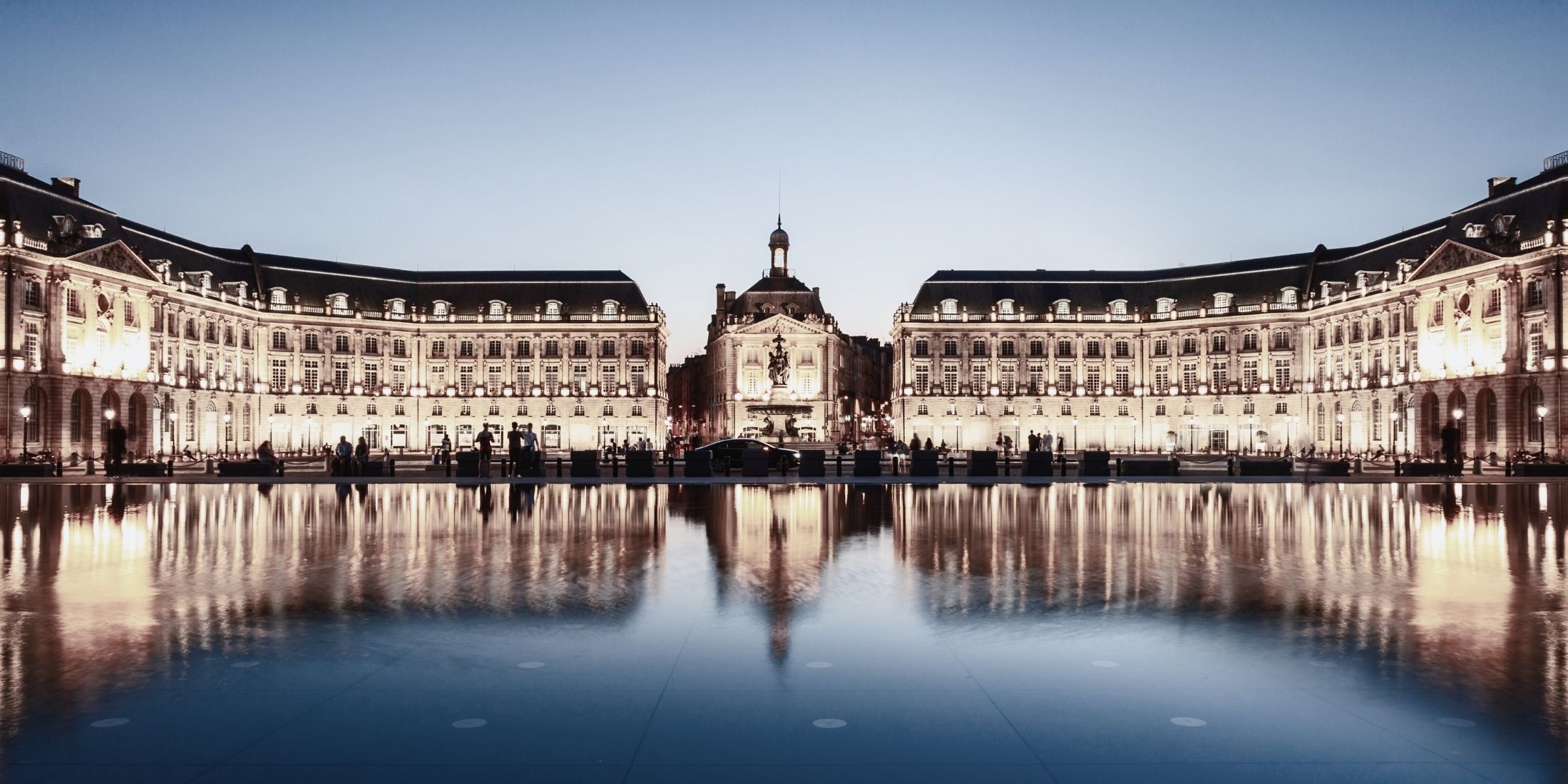
"We do not sell homes. We advise those who acquire them."
Residency, Visas & Living in France After Your Purchase
Property Ownership Does Not Equal Residency: The Key Rules
Owning property in France gives you the right to visit it, on your existing visa conditions. It does not give you the right to live there.
The Long-Stay Visa (VLS-TS): Visiteur, Talent Passport & Options for HNWIs
La France propose un long-stay visa (visa de long séjour valant titre de séjour) that authorizes stays of more than 90 days. The most relevant categories:
- Visiteur visa: For those who can demonstrate sufficient financial resources to live in France without working. Renewable annually. Suitable for retirees or those with passive income.
- Passeport Talent: For investors, researchers, founders, and highly skilled professionals. More accessible than it sounds, and provides a pathway toward longer-term residency.
The Schengen 90/180 Rule: What Non-EU Buyers Must Understand
Non-EU nationals who do not hold a long-stay visa are subject to the Schengen 90/180 rule: a maximum of 90 days in any 180-day period across the entire Schengen area. This catches many buyers off-guard, particularly those who split time between France and other European countries, where the days all count toward the same limit.
The Path to Permanent Residency & French Citizenship
For those who establish tax residency in France and reside there continuously, permanent residency (carte de résident) can be obtained after 5 years. French citizenship becomes accessible after a further period, subject to language and integration requirements.
How to Find and Work with the Right Advisor in France
Traditional Agent vs. Chasseur Immobilier: A Structural Difference
A traditional real estate agent (agent immobilier) holds a mandat from the seller. Their legal and economic interest is aligned with completing the sale, not protecting the buyer. This is not a moral criticism, it is a structural reality.
A chasseur immobilier (buyer's agent) is retained exclusively by the buyer. Their remuneration is paid by the buyer, creating a genuine alignment of interests. They search across agencies, off-market networks, and their own proprietary relationships, then advise on valuation, negotiation, due diligence, and coordination.
At Maison Arboris, we operate strictly as buyer advisors. We do not hold seller mandates. We do not receive referral fees from agents, notaires, or contractors. Our only accountability is to you.
Key Questions to Ask Any Advisor Before Engaging
- Do you represent buyers exclusively, or do you also hold seller mandates?
- Do you receive any compensation from the selling side or from any service providers in the transaction?
- What is your specific experience with buyers of your nationality and profile?
- Can you provide references from completed transactions?
- What does your due diligence process actually include?
The Off-Market Reality: How the €5M+ Segment Actually Works
For properties above €5M, a significant share of available inventory is never listed publicly. Sellers in this segment value discretion: they do not want their property to appear on Rightmove or SeLoger. Access to these opportunities requires established relationships, with private families, with the legal teams of estates, with the advisors of families whose circumstances have changed.
This is not a sales pitch. It is a description of how the top of the French market actually works. If your strategy is limited to portal searches, you are seeing a fraction of what is available.
Common Mistakes Foreign Buyers Make, and How to Avoid Them
In a decade of advising international buyers in France, certain errors recur with striking regularity. We document them here not to be cautionary, but to be useful.
Underestimating Total Acquisition Costs
The gap between the purchase price and the total cost of ownership is regularly 10–15% in the first year. Budget for this from the beginning.
Ignoring the DPE Energy Rating
A G-rated property with a beautiful façade is a renovation project with legal constraints attached. Know the energy class before falling in love.
Not Reading the Copropriété Documents
For Paris apartments, the minutes of the last three general assemblies reveal deferred maintenance, pending works, and financial health of the building.
Buying After a Single Visit in Peak Season
The French Riviera in August is not the French Riviera in February. A property decision of this magnitude should be informed by at least two seasons.
Wrong Ownership Structure at the Start
Unwinding an ownership structure after completion is expensive, time-consuming, and sometimes fiscally catastrophic. Resolve before signing.
Relying Solely on the Notaire for Advice
The notaire is a public officer whose primary obligation is the legality of the transaction. They are not your advocate. Independent counsel is a necessity.
The French Luxury Real Estate Market: Outlook for 2026
+13%
Transaction volume 2025 vs 2024
+50%
7th arr. volume growth (2025)
+33%
Mortgage volume increase
The Correction Is Over: What the Transaction Data Says
The correction phase is now definitively closed. The Notaires du Grand Paris describe 2025 as "a pivotal year marking the beginning of a new cycle." Transaction volumes across Île-de-France reached 125,000 sales in 2025, a 13% increase over 2024, matching pre-correction 2023 levels. Q4 2025 was the strongest quarter, with 30,150 sales, up 11% year-on-year. The Banque de France reported a 33% increase in mortgage volumes in 2025, confirming that financing conditions have genuinely normalized.
The American Buyer Moment: Why 2026 Is a Strategic Window
American demand for French property in 2026 is no longer a passing headline. It reflects a deliberate, deepening shift. Dollar strength relative to the euro has at various points in 2024–2025 created a structural cost advantage for US buyers. More fundamentally, with US domestic mortgage rates hovering around 6–7%, the prospect of a long-term fixed French mortgage at 3.2–4.0% is not just attractive, it is transformative for the acquisition economics.
The 7th arrondissement of Paris alone posted transaction volume gains of over 50% in 2025, driven significantly by international and American demand. For US buyers specifically, the combination of favorable exchange rates, competitive French financing, and a proven double-taxation treaty makes 2026 a strategic window.
Sustainability, Bio-Climate Architecture & Smart Home Expectations
The expectations of ultra-HNW buyers have evolved significantly. Energy efficiency is no longer just a regulatory concern, it is a quality signal. Buyers in the €5M+ segment increasingly expect: geothermal heating systems, triple-glazed windows that preserve the architectural character, home automation that manages energy consumption intelligently, and EV charging infrastructure. Properties that combine heritage character with contemporary performance command a meaningful premium.
Geothermal heating
Triple-glazed windows
Smart home systems
EV infrastructure
The Resilience of Heritage Assets
The most fundamental observation about the French luxury market is also the simplest: the best properties hold their value through every cycle. A perfectly restored 18th-century hôtel particulier in the 7th arrondissement, a classified château in the Loire Valley with impeccable provenance, a waterfront villa on Cap Ferrat, these assets are not commodity real estate. They are finite, irreplaceable, and owned by people who, by definition, do not need to sell.
Frequently Asked Questions
A Final Word
The French luxury property market rewards patience, preparation, and the right relationships. It penalizes haste, incomplete information, and misaligned advisors.
Our role at Maison Arboris is to be the constant in an otherwise variable equation: the advisor who already knows the market, speaks the language, all of them, understands your legal position as a foreign buyer, and sits exclusively on your side of every conversation.
We do not sell homes. We advise those who acquire them.
If you are at the beginning of a French property project, or reassessing one already underway, we welcome a confidential conversation.
Sarah & Sabine
Co-Founders, Maison Arboris Private Real Estate Advisory
Rooted in France. Devoted to your interests.
Maison Arboris is a Paris-based private real estate advisory practice. We represent buyers exclusively, never sellers. If you are considering an acquisition in France and want clarity on the financial and fiscal picture before you commit, we are available for a confidential initial conversation.
No obligation. No pitch. Just clarity.
Contact usContinue reading
Real Estate Tax Guide
Property taxes, wealth tax, capital gains, inheritance, and SCI structures for foreign owners.
Buying Property in France
Step-by-step acquisition process, legal framework, and practical advice for international buyers.
Investment Guide France
Market outlook, rental yields, financing strategies, and structuring for long-term returns.
Data last verified: March 2026. Sources: MeilleursAgents / Notaires du Grand Paris, Côte d'Azur Sotheby's International Realty, Paris Property Group, Bluesky Finance, Expatica France, PwC Tax Summaries France, Rosemont Consulting. This guide is provided for general informational purposes. For advice specific to your personal situation, consult qualified legal and financial advisors.
© 2026 Maison Arboris, Private Real Estate Advisory | Rooted in France. Devoted to your interests.