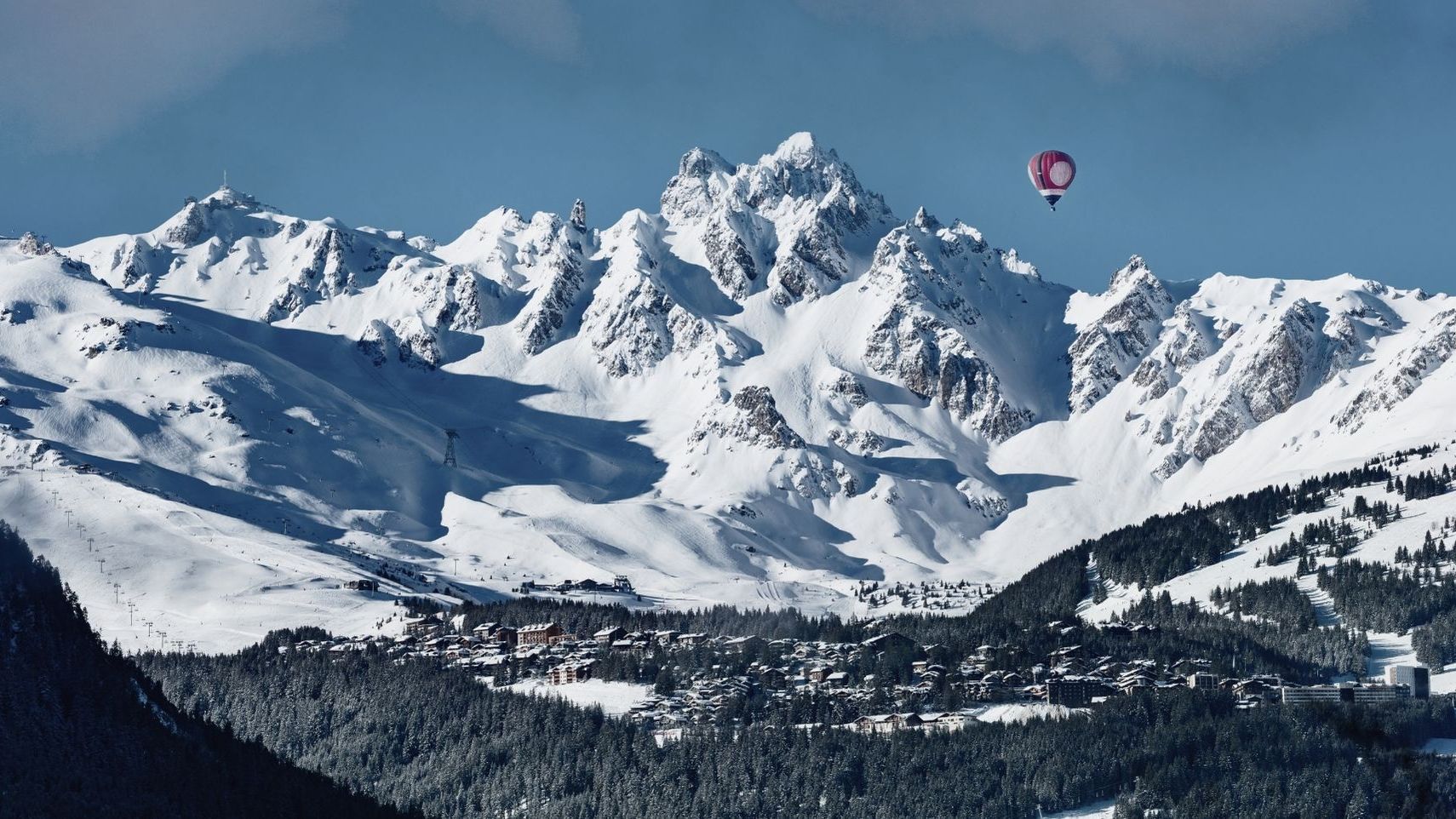
The French Alps: Buying in Megève, Courchevel and Val d'Isère
22 avril 2026 · Sarah & Sabine
The French Alps represent one of the most strategically sound luxury real estate markets in Europe. With property values in prime resorts consistently holding or appreciating, a dual-season demand profile, and a legal framework that welcomes international capital, this mountain corridor from Chamonix to Courchevel deserves serious analytical attention, not simply emotional admiration.
At Maison Arboris, we advise international buyers, primarily from the US, UK, and Gulf states, on how to approach this market with discipline. This article is our structured briefing on luxury real estate in the French Alps: where the real value lies, what the numbers say, and how to buy correctly.
Table of Contents
- Why Invest in Luxury Real Estate in the French Alps
- Top Destinations: A Comparative Analysis
- Types of Luxury Properties Available
- Understanding the Market: Prices and Trends
- The Buying Process for International Buyers
- Luxury Alpine Property as a Rental Investment
- How Maison Arboris Supports Your Acquisition
Why Invest in Luxury Real Estate in the French Alps
The French Alps are not a seasonal novelty. They represent a permanent store of value anchored by geography, infrastructure, and global demand. Several converging factors justify a serious wealth allocation here.
Safe-haven fundamentals remain intact. Alpine land is finite, planning permissions are restrictive, and new luxury supply is structurally limited. This supply constraint underpins pricing resilience across economic cycles.
Year-round demand has structurally shifted the market. Post-2020 data confirms that summer occupancy in premium resorts now rivals winter performance. Hiking, cycling, trail running, and wellness retreats have transformed properties from ski assets into genuine lifestyle hubs. This dual-season reality is critical for rental yield modeling.
Capital growth in Courchevel 1850 and Megève has averaged 5 to 8% annually over the past decade in the premium segment, outpacing many comparable European luxury markets. Val d’Isère and Chamonix have shown similar trajectories.
Top Destinations: A Comparative Analysis
Choosing the right resort is as important as choosing the right property. Each market has a distinct profile.
- Megève attracts a Franco-Swiss clientele seeking old-world refinement, with strong year-round village life and a mature secondary market
- Courchevel 1850 is the most internationally recognised address, with the highest price-per-square-metre in the Alps and a significant Gulf and Russian legacy buyer pool
- Méribel and Les Allues offer access to the Three Valleys ski area, with a notably strong British buyer community and solid rental liquidity
- Chamonix-Mont-Blanc is distinct in character: wilder, more adventurous, attracting buyers who prioritise dramatic scenery and outdoor performance over resort glamour
- Val d’Isère and Tignes combine high-altitude snow reliability with a premium international clientele and strong short-term rental returns
- Les Gets, Morzine and Avoriaz within the Portes du Soleil area offer comparatively accessible entry points with genuine rental demand
- Annecy and Lake Geneva surroundings represent a different typology: year-round lakeside luxury with urban infrastructure and private school access
For buyers navigating these distinctions from abroad, our guide on buying from abroad provides critical procedural context.
Types of Luxury Properties Available
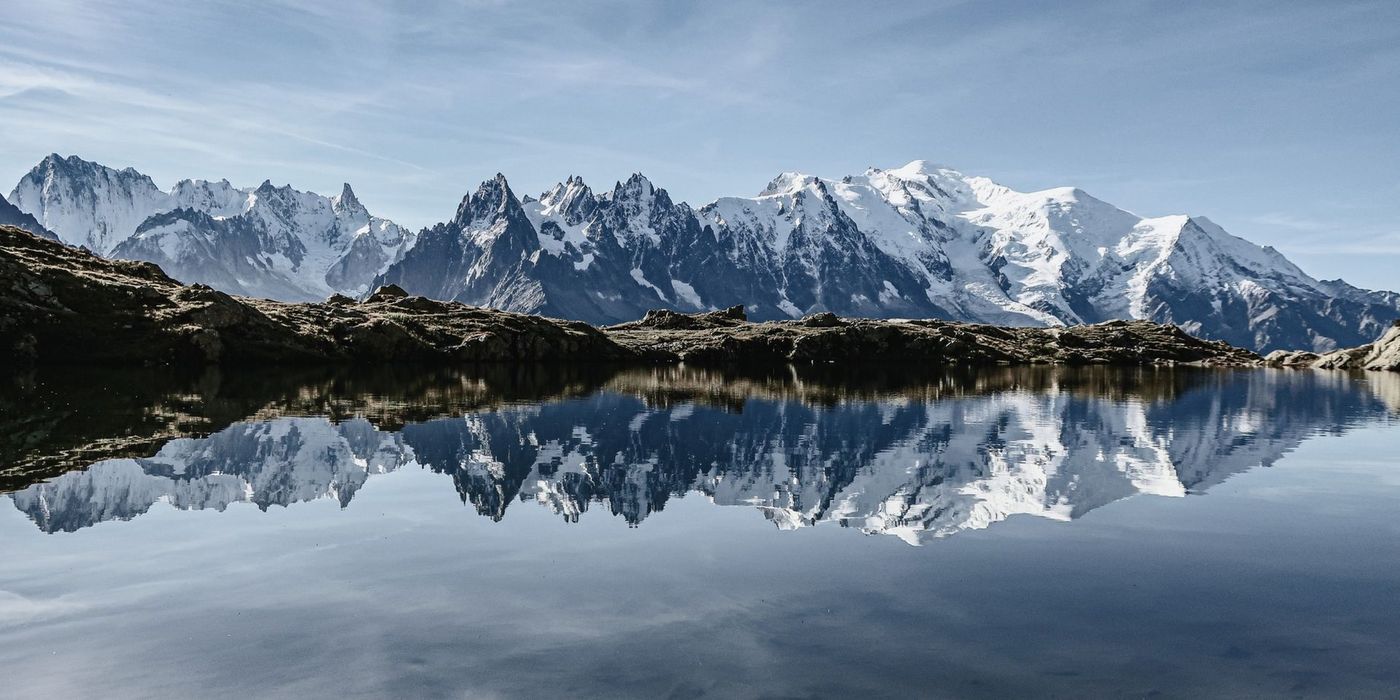
The French Alps offer a broader typology than many buyers initially expect.
- Traditional chalets combining exposed timber, stone facades and fireplaces, often reworked with contemporary interiors to institutional specification
- Ski-in/ski-out apartments and residences within managed developments, offering operational simplicity for non-resident owners
- Luxury villas with panoramic south-facing orientations, typically found in lower-altitude or lakeside locations
- Prestige land plots for custom builds, a minority segment but strategically interesting for buyers seeking precise specification control
- Boutique hotels and commercial assets for investors pursuing yield-first mandates
Understanding the Market: Prices and Trends
The table below provides a structured reference for current price positioning across key resorts.
| Resort | Average Price per m² (Luxury Segment) | Annual Capital Growth (10-yr avg) | Year-Round Rental Demand |
|---|---|---|---|
| Courchevel 1850 | €25,000 – €45,000 | 6 – 8% | High |
| Megève | €12,000 – €22,000 | 5 – 7% | High |
| Val d'Isère | €15,000 – €30,000 | 5 – 7% | High |
| Méribel | €10,000 – €20,000 | 4 – 6% | Medium-High |
| Chamonix | €8,000 – €16,000 | 4 – 6% | High |
| Morzine / Les Gets | €6,000 – €12,000 | 3 – 5% | Medium |
| Annecy (lakeside) | €8,000 – €18,000 | 4 – 6% | High |
Sources: DVF notarial data, Maison Arboris market analysis 2025-2026. Figures represent luxury segment transactions and should be treated as directional benchmarks.
Post-pandemic demand has been structural rather than cyclical. Remote working patterns have increased long-stay occupancy, while supply remains compressed by altitude restrictions and environmental planning rules.
The Buying Process for International Buyers
The French acquisition process has a defined legal architecture that international buyers must understand precisely. For a full breakdown of purchase costs, refer to our dedicated analysis.
The key stages are:
- Define the brief and budget with full cost transparency, including notary fees (typically 7 to 8% on resale properties), agency fees, and potential renovation contingency
- Identify the micro-location within the resort, as orientation, altitude, slope access, and road position materially affect value and rental performance
- Conduct technical and legal due diligence, including urban planning certificates, easements, co-ownership regulations, and energy performance ratings
- Sign the Compromis de Vente, a binding preliminary contract with a standard 10-day cooling-off period for the buyer
- Complete at the notary within 2 to 4 months, transferring full title with the notaire acting as a state-mandated neutral party
For non-EU nationals, there are no ownership restrictions on residential property in France. However, mortgage access, tax structuring, and ownership vehicle selection (personal name, SCI, or holding company) require careful pre-acquisition planning.
Luxury Alpine Property as a Rental Investment
A well-positioned luxury chalet in Courchevel or Val d’Isère can generate €80,000 to €250,000 in gross annual rental revenue, depending on specification, location, and management quality.
The LMNP (Loueur Meublé Non Professionnel) status is the most commonly used fiscal structure for furnished rental properties. It allows significant depreciation allowances, effectively reducing taxable rental income. For investors considering a leaseback structure, professional management removes operational complexity but constrains personal use windows.
How Maison Arboris Supports Your Acquisition
Sarah and Sabine built Maison Arboris on a single principle: the buyer deserves an advisor whose mandate is entirely unconflicted. We do not represent sellers. We do not receive referral fees from developers.
Our process begins with a structured briefing, followed by targeted off-market sourcing, independent technical audit coordination, negotiation on your behalf, and full legal process supervision through to notarial completion.
The French Alps luxury market rewards buyers who move with precision. We exist to ensure that precision is applied at every stage of your acquisition.
Questions fréquentes
01Which French Alps resort offers the best luxury real estate investment in 2026?
Which French Alps resort offers the best luxury real estate investment in 2026?
Courchevel 1850 leads for capital growth and international prestige, averaging €25,000–€45,000 per m². Val d'Isère offers strong rental returns with high snow reliability. Chamonix suits buyers prioritising year-round demand and outdoor lifestyle. The best choice depends on your yield, usage, and resale liquidity priorities.
02What are the total purchase costs for luxury property in the French Alps?
What are the total purchase costs for luxury property in the French Alps?
International buyers should budget notary fees of 7–8% on resale properties, plus agency fees and renovation contingency. Ownership structure costs, such as establishing an SCI holding company, add further. Full cost transparency before signing the Compromis de Vente is essential to avoid budget overruns at completion.
03Can non-EU nationals buy luxury property in the French Alps?
Can non-EU nationals buy luxury property in the French Alps?
Yes. France imposes no ownership restrictions on residential property for non-EU nationals. However, mortgage access, tax structuring, and ownership vehicle selection require careful pre-acquisition planning. Buyers from the US, UK, and Gulf states regularly acquire assets here, provided they engage qualified legal and financial advisors early.
04How much rental income can a luxury chalet in the French Alps generate?
How much rental income can a luxury chalet in the French Alps generate?
A well-positioned luxury chalet in Courchevel or Val d'Isère can generate €80,000–€250,000 in gross annual rental revenue. The LMNP fiscal status allows significant depreciation allowances, reducing taxable income. Dual-season demand, driven by both winter skiing and summer outdoor tourism, has materially strengthened rental yield modeling since 2020.
05Is French Alps luxury property a safe long-term investment against economic cycles?
Is French Alps luxury property a safe long-term investment against economic cycles?
Supply fundamentals are structurally strong: alpine land is finite, planning permissions are highly restrictive, and new luxury inventory remains limited. Premium resorts like Courchevel and Megève recorded 5–8% average annual capital growth over the past decade, demonstrating meaningful pricing resilience even during broader European real estate market corrections.