Off-Market Properties in France: How to Access What Never Gets Listed
19 April 2026 · Sarah & Sabine
The French real estate market has two distinct layers. The first is visible: portals, agency windows, automated valuations. The second operates in silence, and it is where the most significant transactions in France actually take place. Off-market property in France is not a niche concept reserved for billionaires. It is a structured, professional practice that accounts for a substantial share of high-value transactions, particularly above the €1.5 million threshold.
At Maison Arboris, Sarah and Sabine work exclusively within this second layer, advising international buyers and discreet sellers who have no interest in public exposure. This guide explains the mechanics, the geography, and the process behind off-market real estate in France.
Table of Contents
- What Is an Off-Market Property?
- Why Buy an Off-Market Property in France?
- Why Sell Your French Property Off-Market?
- How to Access Off-Market Properties in France
- Featured Off-Market Properties for Sale in France
- Off-Market Real Estate by Region in France
- The Off-Market Transaction Process Explained
- Off-Market Real Estate for International Buyers
- Why Choose a Dedicated Off-Market Specialist?
What Is an Off-Market Property?
An off-market property is a property available for sale that has never been listed on any public portal, printed in any agency window, or advertised through standard marketing channels. No SeLoger. No Rightmove France. No public price.
The transaction moves through private networks: trusted intermediaries, advisory firms, and pre-vetted buyer databases. In France, this practice is often described as “de gré à gré” (private treaty) or “hors marché”, and it carries a specific professional logic.
Off-market does not mean informal. Every transaction still requires a notaire, formal due diligence, a signed compromis de vente, and full compliance with French property law. What changes is the distribution channel, not the legal rigour.
Why Off-Market Real Estate Is More Common in France Than You Think
French culture around wealth and property is deeply private. Unlike the Anglo-Saxon market, where listing publicly is the default, French owners of significant assets frequently prefer to test buyer interest before committing to a formal sale. Estates in Provence, hôtels particuliers in Paris, and Riviera villas often change hands without a single public record of their availability. DVF (Demandes de Valeurs Foncières) data confirms transactions, but reveals nothing about the process that preceded them.
Why Buy an Off-Market Property in France?
The advantages for buyers are structural, not cosmetic.
Privacy is the most cited reason among Maison Arboris clients from the US, UK, and Gulf region. A public search leaves a trail. Off-market advisory does not.
Reduced competition is equally significant. When a property is publicly listed, price discovery happens through competitive pressure. Multiple offers inflate the final price. In an off-market context, a serious buyer with verified financing often faces no competition at all.
Access to properties that will never reach the market is the third pillar. Many owners would genuinely sell at the right price, to the right buyer, under the right conditions. They simply will not advertise. This is particularly true of generational family estates, agricultural holdings in Burgundy, and historic châteaux.
| Criterion | Off-Market Purchase | On-Market Purchase |
|---|---|---|
| Competition | Low to none | High, especially above €1M |
| Price negotiation leverage | Strong | Limited |
| Property availability | Exclusive, curated | Full public inventory |
| Privacy for buyer | Complete | Minimal |
| Time to identify right property | Longer (bespoke) | Faster browsing |
| Risk of overpaying | Lower with advisory | Higher in competitive bids |
Why Sell Your French Property Off-Market?
For sellers of significant French properties, the public market creates real costs, beyond commission.
A property that sits on SeLoger for four months accumulates what professionals call “jours de marché” (days on market), a metric that signals distress and forces price reductions. Off-market eliminates this dynamic entirely.
Key reasons sellers in France choose the off-market route:
- Protection of daily life: No strangers visiting your family home. Viewings are scheduled with pre-qualified buyers only.
- Price integrity: Without public visibility, there is no anchor price to negotiate down from. The seller retains control of the narrative.
- Qualified buyers only: Every party who views the property has signed an NDA and demonstrated financial capacity.
- Speed when needed: A discreet sale to a known buyer within a trusted network can move faster than a public campaign.
- Asset confidentiality: For sellers managing wealth across multiple jurisdictions, public listings create unnecessary exposure.
How to Access Off-Market Properties in France
There is no portal for off-market properties. Access is relational, not algorithmic.
The most reliable route is to work with a specialist advisory firm, specifically one that operates a proprietary buyer database and maintains long-term relationships with notaires, family offices, and estate managers across France. Generic agencies occasionally have off-market mandates, but their primary business model depends on volume and public visibility, which creates a structural conflict of interest.
What to look for when selecting an off-market partner:
| Criteria | Strong Off-Market Specialist | Standard Agency |
|---|---|---|
| Buyer registration process | Detailed profiling + financial verification | Basic contact form |
| Confidentiality framework | Systematic NDA before any disclosure | Optional or absent |
| Notaire and legal network | Active, regional, trusted | Generic referrals |
| Seller relationship | Long-term mandate, exclusive | Short-term, competitive |
| International buyer support | Currency, tax, legal coordination | Limited |
Featured Off-Market Properties for Sale in France
Maison Arboris maintains active buyer mandates across the following property categories. While individual listings are not published by definition, the typology of properties we regularly match includes:
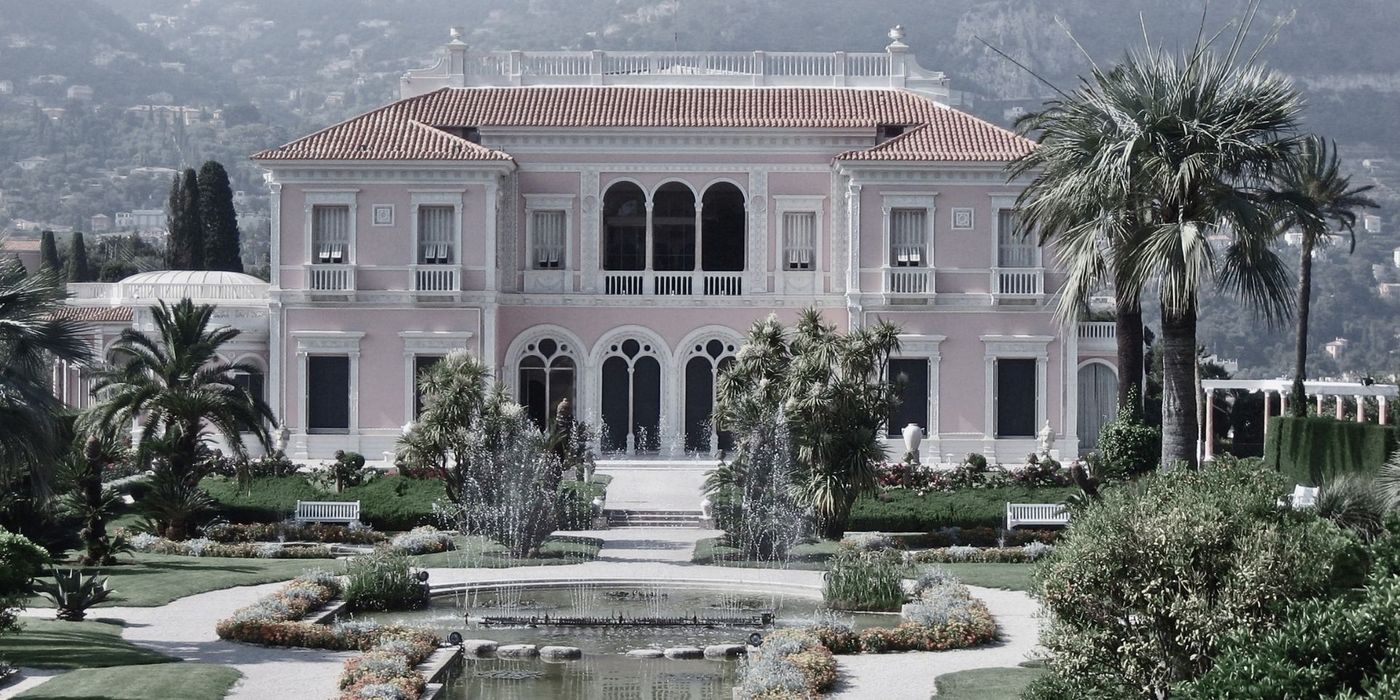
- Luxury villas on the French Riviera: Properties from Cap d’Antibes to Saint-Jean-Cap-Ferrat, typically between €3M and €25M, with sea views and full privacy.
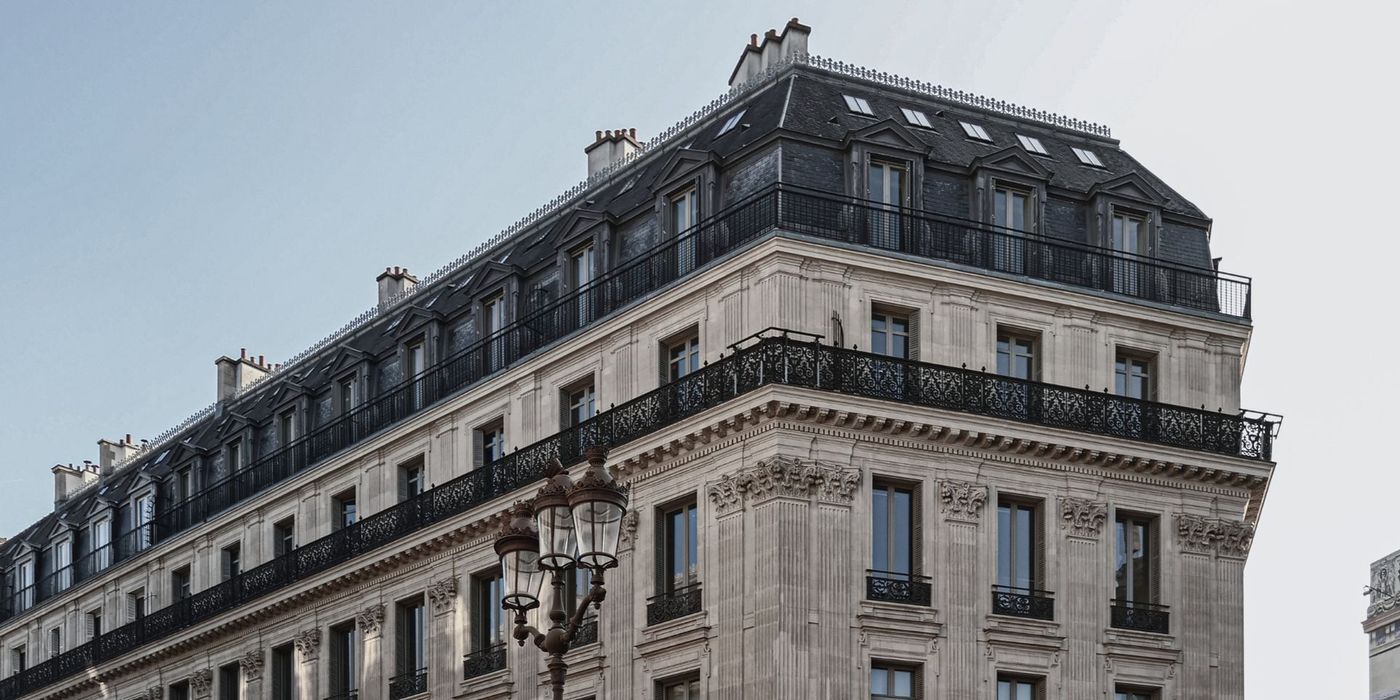
- Prestigious Haussmann apartments in Paris: 16th, 7th, and 8th arrondissements, often above 150m², with period features and no elevator noise. See our Paris market analysis for current pricing context.
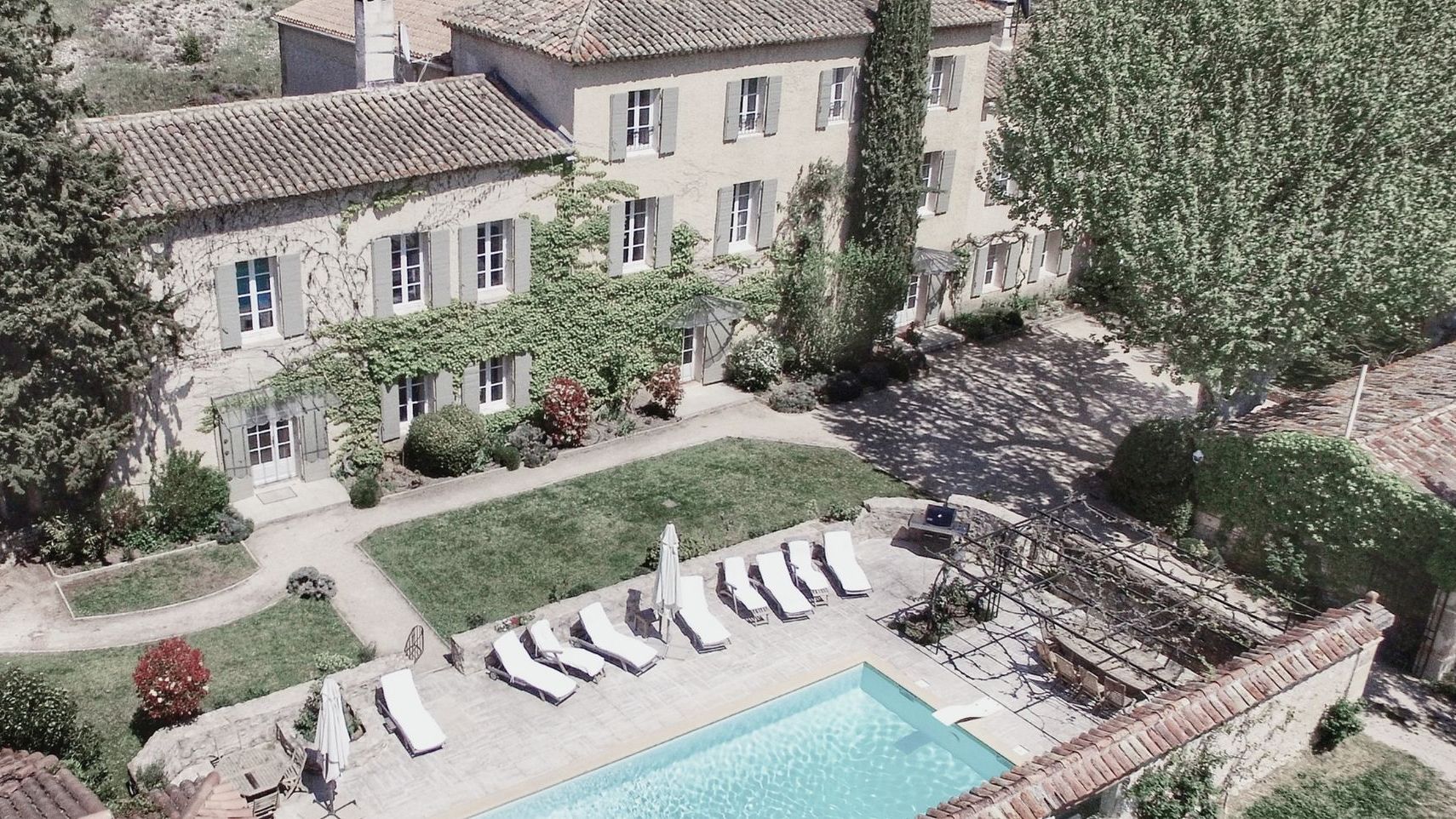
- Provençal mas and Luberon estates: Stone properties with land, olive groves, and authentic architectural character in Gordes, Bonnieux, and Lourmarin.
- Beachfront properties in Arcachon and Pyla-sur-Mer: A market where off-market transactions dominate the top tier, often facilitated through local notaire networks.
- Vineyards in Bordeaux and Burgundy: Agricultural estates that require specific due diligence around AOC classification, tenant farming rights, and viticultural permits.
- Châteaux and historic mansions: The most emblematic off-market category in France. Many are held by the same families for generations and require patient, trust-based relationship building to access.
Off-Market Real Estate by Region in France
Paris and Île-de-France remains the deepest off-market ecosystem in France. Family offices managing generational Parisian assets rarely use public channels.
French Riviera (Nice, Cannes, Saint-Tropez, Cap d’Antibes, Villefranche-sur-Mer): The Riviera off-market is particularly active among international sellers who maintain primary residences elsewhere and prefer to transact without local media exposure. For a data-grounded view of this market, our Côte d’Azur guide is a strong starting point.
Provence and the Luberon (Gordes, Cucuron, Lourmarin, Bonnieux): A market defined by scarcity. Authentic stone properties with land do not come to market often, and when they do, discretion is the norm.
Arcachon Bay and the Atlantic Coast: A concentrated ultra-premium market where the best waterfront properties trade quietly through a small circle of local advisors.
Mougins, Vence, Grasse and the Arrière-Pays: The inland Riviera hinterland is increasingly sought by buyers who want proximity to Nice and Cannes without Riviera pricing.
Monaco and the border area: Ultra-high-net-worth transactions in and around Monaco operate almost exclusively through private networks. Regulatory complexity adds further reason to avoid public exposure.
The Off-Market Transaction Process Explained
The process at Maison Arboris follows a disciplined six-stage structure:
- Initial consultation and profiling: We establish your acquisition criteria, budget envelope, financing structure, and timeline. This is not a form. It is a working conversation.
- Confidentiality agreement: Before any property is disclosed, both parties sign a formal NDA. This protects the seller and establishes professional boundaries.
- Curated matching and private viewings: We present a small number of relevant properties, not a catalogue. Viewings are pre-arranged with the owner or their representative.
- Discreet negotiation: Sarah leads the commercial negotiation, structuring the offer to reflect verified comparables from DVF and our own transaction history, not asking prices.
- Legal due diligence and notarial process: French property transactions are notarised by law. We coordinate with the notaire on title verification, planning searches, and any structural or environmental disclosures.
- Completion and transfer: The acte authentique is signed before the notaire. Funds are held in escrow. Ownership transfers cleanly and in full compliance with French law.
Off-Market Real Estate for International Buyers
International buyers face specific structural challenges in France that a dedicated advisor must resolve, not simply acknowledge.
French property law applies equally to foreign nationals, but certain ownership structures, specifically the SCI (Société Civile Immobilière), a private French holding company used to hold real estate, are commonly recommended for non-residents to simplify inheritance and resale. The SCI is not a tax dodge. It is an estate planning tool with genuine practical benefits.
Financing for non-residents remains accessible through French banks, but underwriting criteria differ. US citizens, in particular, face FATCA-related reporting obligations that some French institutions are not equipped to handle. Preparation is essential.
Tax implications include potential capital gains exposure on resale, wealth tax (IFI) above €1.3M of French real estate assets, and withholding obligations for non-resident sellers. These are manageable with correct structuring from the outset.
Essential checklist for international off-market buyers:
- Obtain a French tax identification number (numéro fiscal) early in the process
- Open a French bank account or work with an international transfer specialist
- Confirm inheritance and ownership structure before signing the compromis
- Engage a bilingual notaire with international client experience
- Verify financing pre-approval before entering negotiation
Why Choose a Dedicated Off-Market Specialist?
A traditional agency’s revenue depends on listed properties and transactional volume. This is not a criticism. It is a structural reality that creates misaligned incentives when your objective is discretion, depth, and long-term asset quality.
Maison Arboris operates exclusively on the buyer and seller advisory side. We do not maintain public listings. Our value is the network, the analysis, and the protection we provide to each client on each mandate.
Questions to ask any off-market agent before engaging:
- How many off-market mandates do you currently hold, and in which regions?
- What is your process for verifying buyer financial capacity before a property is disclosed?
- Do you have active notaire relationships in the target region?
- How do you handle conflicts of interest if you also represent the seller?
- What is your fee structure, and at what stage does it become payable?
The answers to these questions will tell you more than any brochure. Off-market real estate in France rewards precision, patience, and the right relationships. That is exactly what Maison Arboris is built to provide.
Frequently asked questions
01What does 'off-market property' mean in France?
What does 'off-market property' mean in France?
An off-market property in France is sold privately, never listed on public portals like SeLoger or Rightmove. Known locally as 'hors marché' or 'de gré à gré', transactions move through trusted networks. All legal requirements, including a notaire and signed compromis de vente, still fully apply.
02How can international buyers access off-market properties in France?
How can international buyers access off-market properties in France?
There is no public portal for off-market properties. Access requires working with a specialist advisory firm maintaining a proprietary buyer database and established relationships with notaires and family offices. Generic agencies occasionally hold off-market mandates, but their volume-driven model creates a structural conflict of interest for discreet buyers.
03What are the main advantages of buying a property off-market in France?
What are the main advantages of buying a property off-market in France?
Key advantages include complete privacy, significantly reduced buyer competition, and access to properties never publicly listed. Buyers with verified financing often negotiate directly with no competing offers, resulting in stronger leverage and lower risk of overpaying, particularly for properties priced above the €1.5 million threshold.
04Why do French property owners choose to sell off-market?
Why do French property owners choose to sell off-market?
French owners of significant assets prefer off-market sales to protect privacy, avoid 'jours de marché' stigma from prolonged listings, and maintain price integrity. It also ensures only pre-qualified, NDA-signed buyers attend viewings, offering control over the transaction narrative and protecting confidentiality across multiple wealth jurisdictions.
05What legal and tax considerations apply to off-market property purchases in France?
What legal and tax considerations apply to off-market property purchases in France?
French property law applies equally to all buyers regardless of channel. Non-residents should consider an SCI ownership structure for inheritance planning. Key obligations include obtaining a numéro fiscal, understanding IFI wealth tax above €1.3M in assets, and addressing FATCA reporting if American. Early legal structuring is strongly recommended before signing.